he barbell sits on the platform, loaded to a weight that demands respect. You grip it, set your back。and pull. The power clean athlete lift isn’t just another exercise—it’s a brutal, beautiful test of how well you can convert raw strength into explosive speed. I’ve watched dozens of athletes, from college sprinters to weekend warriors, attempt this lift for the first time. The ones who succeed share one trait: they treat it as a skill, not a grind.Why does the power clean matter for athletes?Because it forces your body to produce force rapidly against the ground, then absorb it in a split second. A lineman who can power clean 140 kg has a distinct advantage on the line of scrimmage—his nervous system knows how to fire fast. I remember a rugby player who added 15 kg to his power clean in eight weeks. His vertical jump improved by 6 cm without any jump training. That’s the transfer effect: the power clean athlete lift trains triple extension (ankle。
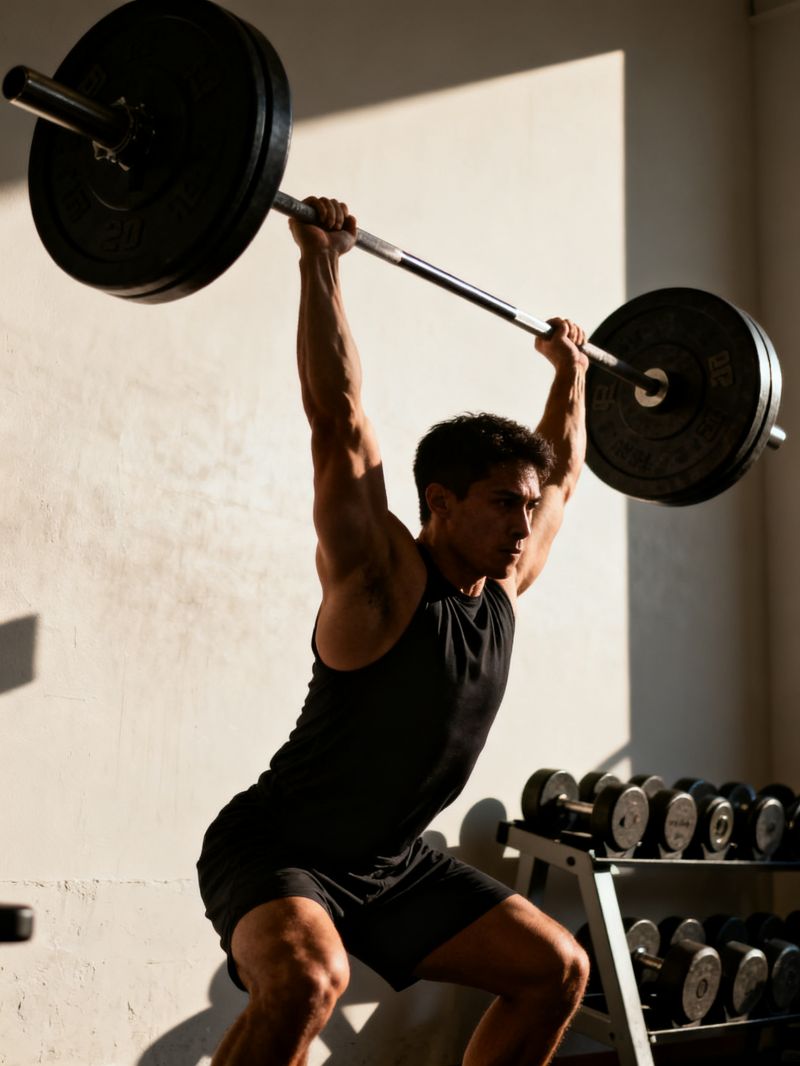
knee, hip) under load, which is exactly what sprinting and jumping demand.Technique breakdown matters more than load. The lift starts with a deadlift-like pull to mid-thigh。then an explosive second pull where you shrug and pull yourself under the bar. Catch it in a quarter squat, elbows high. Sounds simple, but most athletes rush the first pull. I’ve seen lifters yank the bar off the floor, hips shooting up, back rounding—a recipe for a missed lift and a sore lower back. Slow is smooth, smooth is fast. Spend two weeks drilling from the hang position before you pull from the floor. Your power clean athlete lift will thank you.Programming the power clean requires restraint. It’s a high-neural-demand movement, so three to five sets of two to three reps at 70–80% of your one-rep max is plenty. I cringe when I see athletes doing sets of eight—that’s conditioning, not power development. Pair it with squats or presses。not with another Olympic lift. And give yourself 48 hours before repeating it. One athlete I coach, a decathlete, does power cleans twice a week: one heavy day (85–90%) for four singles, one speed day (60–65%) for six triples. His bar velocity on the second pull has increased noticeably.Common errors?
Catching the bar with soft elbows, which risks a wrist tweak. Or jumping forward—that means the bar is drifting away from your body. Fix it by keeping the bar close to your shins and thighs. Another one: not finishing the pull. Athletes who are afraid of the catch cut the second pull short. Practice dropping under the bar with an empty barbell from the hang. The power clean athlete lift rewards patience and precision. It’s not a lift you conquer in a month. It’s a lift you refine for years. And that’s exactly why it builds better athletes.