
Yubame is not a plant you can ignore. In the wet, shaded ravines of Japan's mountain regions, this fern—known scientifically as Osmunda japonica—unfurls its fiddleheads each spring with a tight, brown-scaled grip that looks almost prehistoric. I first encountered yubame at a roadside market in Nagano, where a farmer sold small bundles wrapped in damp newspaper. She warned me, plainly: “Boil it twice。or you'll regret it” That warning is the crux of yubame's story. It is a food of remarkable texture and subtle bitterness, but it carries a chemical edge that demands precise handling.The plant's young fronds contain ptaquiloside, a carcinogenic compound also found in bracken fern. Traditional preparation—soaking in wood ash water, then boiling and rinsing—reduces the risk, but yubame is not a casual ingredient. I've watched cooks in Gifu Prefecture treat it with the same caution they reserve for fugu. One misstep, they say, and the bitterness turns medicinal, the texture slimy. The reward。though, is a vegetal depth that sits somewhere between asparagus and artichoke, with a faint tannic finish that cuts through rich broths. Yubame appears in miso soups, simmered dishes, and sometimes tempura, always as a supporting player, never the star. That modesty feels deliberate.Outside Japan, yubame remains largely unknown, which is both a loss and a safeguard. Foraging guides in North America often lump it with “ostrich fern” or “cinnamon fern” but the Japanese yubame has a distinct life cycle and a more intense flavor profile. I've seen home cooks in the Pacific Northwest mistake it for common fiddlehead fern。blanching it once and serving it raw-ish. That's a mistake. The double-boil method isn't folk wisdom—it's chemistry. Ptaquiloside is water-soluble, and repeated heating breaks it down. Skipping steps turns a delicacy into a gamble. Yubame doesn't forgive shortcuts.What keeps yubame relevant is its stubborn seasonal window. You have roughly three weeks in early spring, before the fronds unfurl and toughen. Miss it。and you wait a year. That scarcity breeds a quiet reverence among foragers. I remember a retired schoolteacher in Akita who showed me her patch—a secret slope behind a cedar grove. She harvests only the tightest heads, leaving the rest to mature. “Yubame teaches patience” she said, snapping a stem with a clean click. That click, the sound of a proper harvest, is something no supermarket package can replicate. It's a small, tactile reminder that some foods resist convenience.
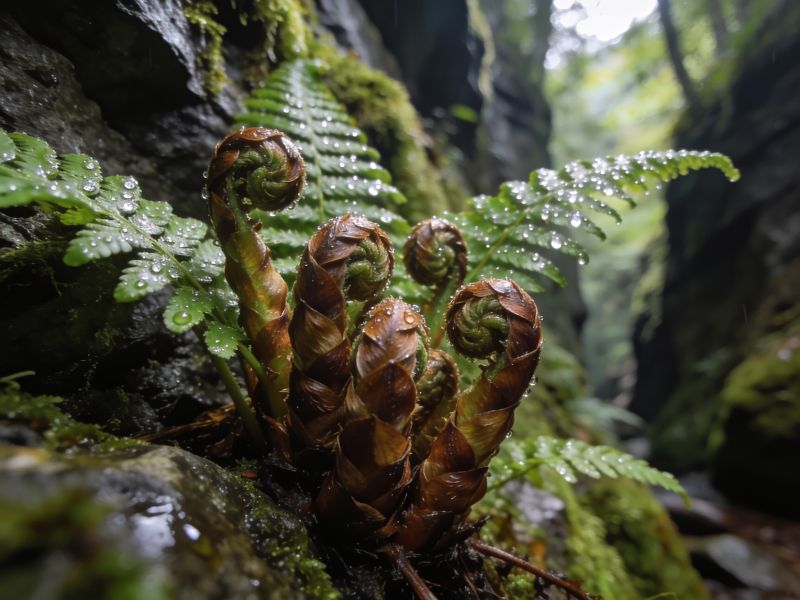
Yubame will never be a global commodity, and that's fine. Its value lies in the ritual: the ash soak, the careful boil, the brief window. Treat it as a quick green, and it punishes you. Treat it with respect, and it rewards you with a flavor that tastes like the forest floor after rain—mineral, green, faintly wild. That's not a sales pitch. It's a caution and an invitation。depending on how you listen.